Tomato plants are beloved by gardeners around the world—but few realize just how much more productive they can be with the right pruning techniques. If your plants are growing more leaves than fruit, or if you’re working with limited space, there’s a proven way to train tomato plants to focus their energy on producing earlier, larger, and more abundant tomatoes. This article will guide you through that exact method.

Understanding Tomato Plant Growth
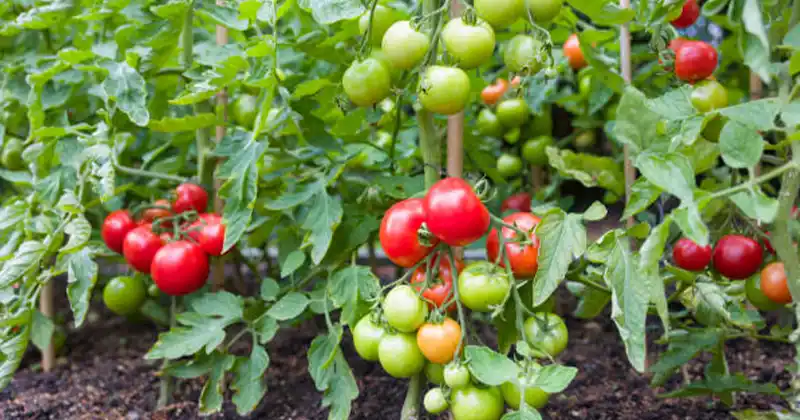
Tomato plants, particularly the indeterminate varieties, grow continuously like vines—similar to cucumbers or melons. They will keep growing until frost or disease stops them. Naturally, they develop numerous side shoots known as “suckers”, which grow between the main stem and the leaves. Left unpruned, these suckers will turn into new branches, making the plant bushier and more crowded.
While more branches might seem like more fruit, the reality is each sucker diverts energy from the main plant. Without control, this can lead to:
- Slower ripening of fruit
- Smaller yields per square foot
- Increased risk of disease due to poor air circulation
Pruning allows you to redirect the plant’s energy into fruit production, leading to earlier harvests and healthier plants.
Step-by-Step Tomato Pruning Method
Here’s a clear and practical method to maximize your tomato harvest by pruning wisely.
1. Start With the Lower Leaves
Remove all leaves that are close to or touching the soil. These lower leaves are prone to fungal infections and can spread disease up the plant. Begin this process early when the plant is still small.
2. Identify and Remove Suckers
Look at the point where a leaf meets the main stem—right in that “crotch” area is where a sucker will appear. When young, suckers are easy to pinch off by hand.
✅ Best Time to Remove: When suckers are 2–4 inches long
✅ How: Simply pinch them off with your fingers
✅ Tools (for larger suckers): Use clean, sterilized pruners with isopropyl alcohol between cuts to avoid spreading disease
3. Train Plants to One Main Stem (Basic Version)
Let the plant grow vertically up a stake or string, allowing only the main stem to continue developing. Remove all suckers as they form. This gives the plant one central top, supported by a full root system, allowing for:
- Faster ripening
- Less plant stress
- Better light exposure and airflow
- Compact vertical growth, ideal for small spaces
💡 Result: Fruit can ripen up to 2 weeks earlier than on unpruned plants.
4. Leave Strategic Suckers for Shade (Advanced Tip)
For large-fruit varieties like beefsteak tomatoes, direct sunlight can cause sunscald—a leathery, gray patch on the fruit. To avoid this:
🌿 Allow 1–2 suckers to grow in the center of the plant.
🌤️ These will develop into light shade cover, protecting your fruit without overly shading the plant.
5. Selective Sucker Use to Boost Yield
Want more fruit without losing control of the plant? Here’s the trick:
🔁 Allow 1 or 2 suckers to grow into side branches, and let them produce fruit.
🚫 But do not allow those suckers to produce more suckers.
By limiting sucker growth to just one level, you can increase yield while keeping your plant manageable and focused.
6. Pruning Larger, Overgrown Plants
If you’ve let your tomato plant grow without pruning and now have large suckers, don’t remove them all at once—it can shock the plant.
🕒 Spread pruning over 2–3 days.
🌱 Start from the bottom and work your way up, focusing on the largest suckers.
✅ Leave one or two large suckers in place if they’ve become dominant, but keep them pruned like the main stem.
7. Grow More Plants in Less Space
By pruning and growing vertically:
- Each tomato plant can thrive in just 1 square foot
- You can fit 20 plants in a 20-square-foot area instead of just 5 unpruned, sprawling ones
- More variety, more fruit, and better disease management
🌿 Bonus: If one plant fails, you have many others—like harvest insurance.
8. Maintenance and Continued Training
As the plant grows, keep pruning new suckers regularly. The plant will follow the same growth pattern all season:
- Main stem grows
- Leaves unfold
- Suckers appear
- You prune (or selectively keep them)
You can use a trellis system with adjustable strings to lower and lean tall plants, keeping them at a manageable height for harvesting and pruning.
Why Pruning Works
Every tomato plant has a finite root system. When you limit the number of growing tops, that root system supports fewer fruit clusters—meaning larger, quicker-ripening tomatoes with better taste and color.
Without pruning, the plant tries to do too much: grow branches, leaves, and fruit—all at once—leading to delayed ripening and stunted fruit.
Important Notes
- Only use this method on indeterminate tomatoes, which grow continuously
- Do not prune determinate tomatoes (bush varieties), as they produce fruit in one big flush and pruning can reduce yields
- Avoid pruning on rainy or overly humid days, to reduce risk of disease entry through open cuts
- Always sterilize your tools with isopropyl alcohol between plants
Pruning tomato plants isn’t just about tidiness—it’s about control, focus, and maximizing fruit production in minimal space. Whether you’re gardening in a backyard, a raised bed, or even on a balcony, this method will help you harvest more tomatoes that ripen faster and taste better.
Prune smart. Grow more. Let the leaves go—and let the fruit shine. 🍅
Disclaimer: This guide is intended for indeterminate tomato varieties only. Always test pruning techniques on a few plants first before applying them to your entire garden.Inspired by this? Share the article with your friends!